
Select your language

B100
Solution for road freight transport
About the project
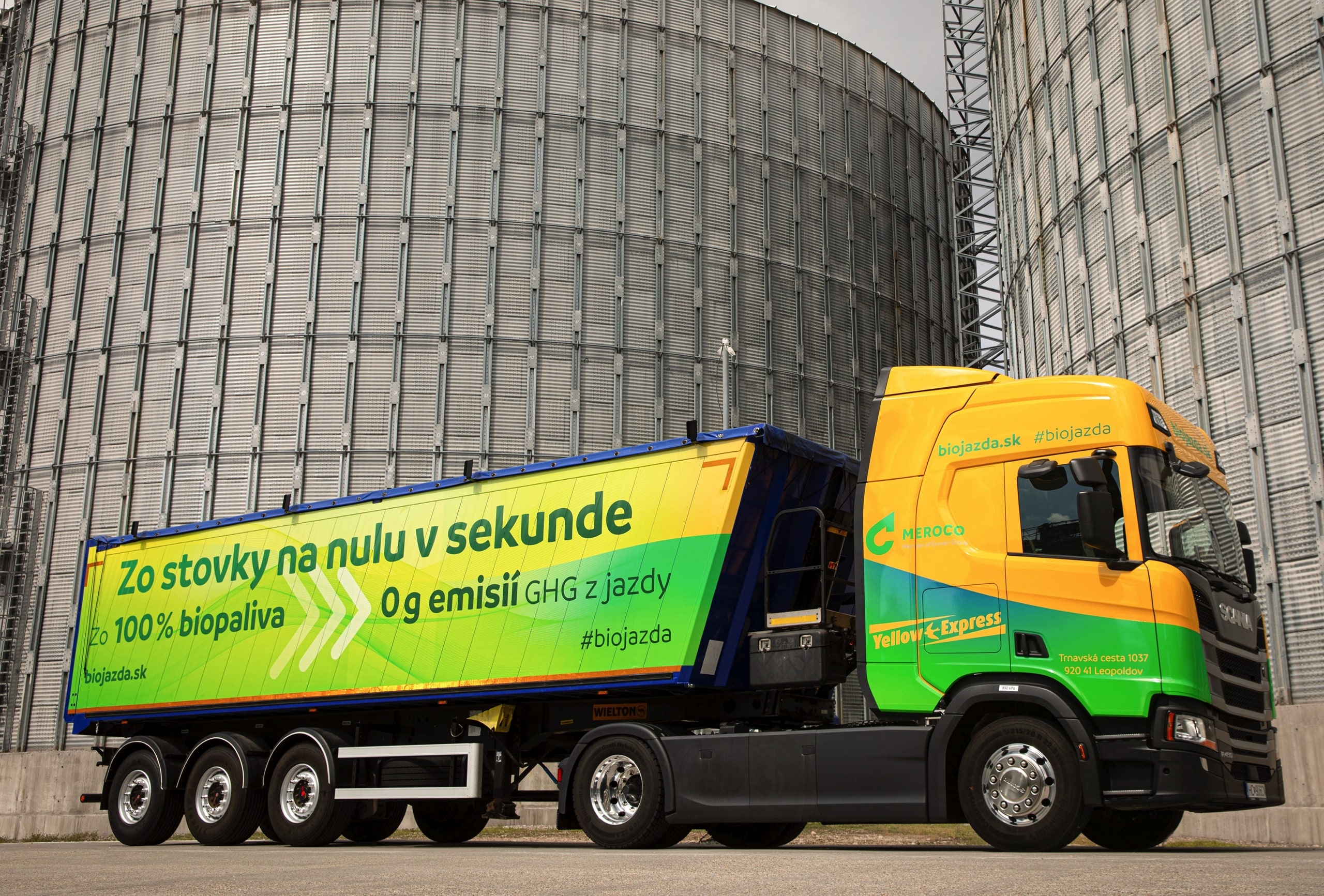
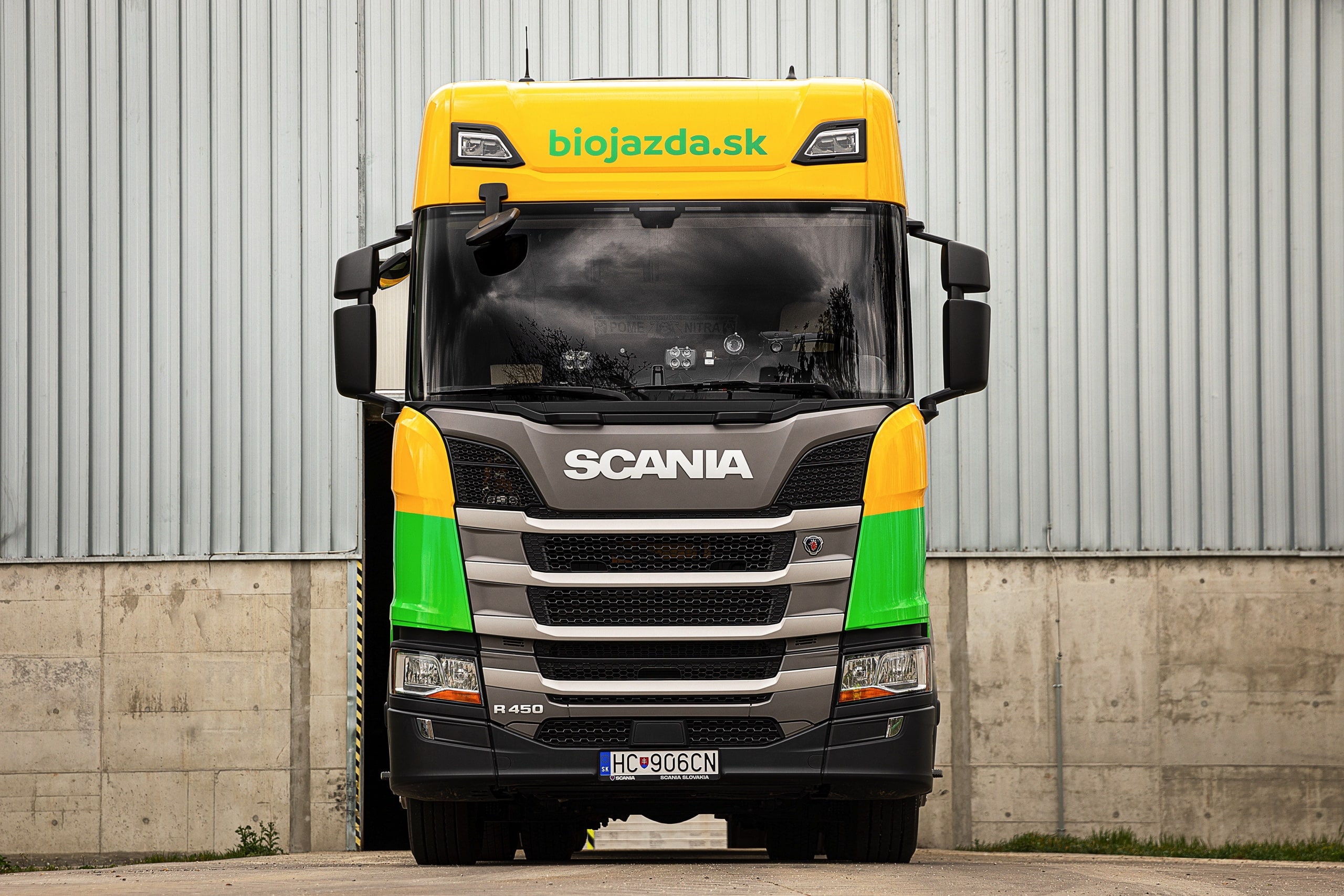
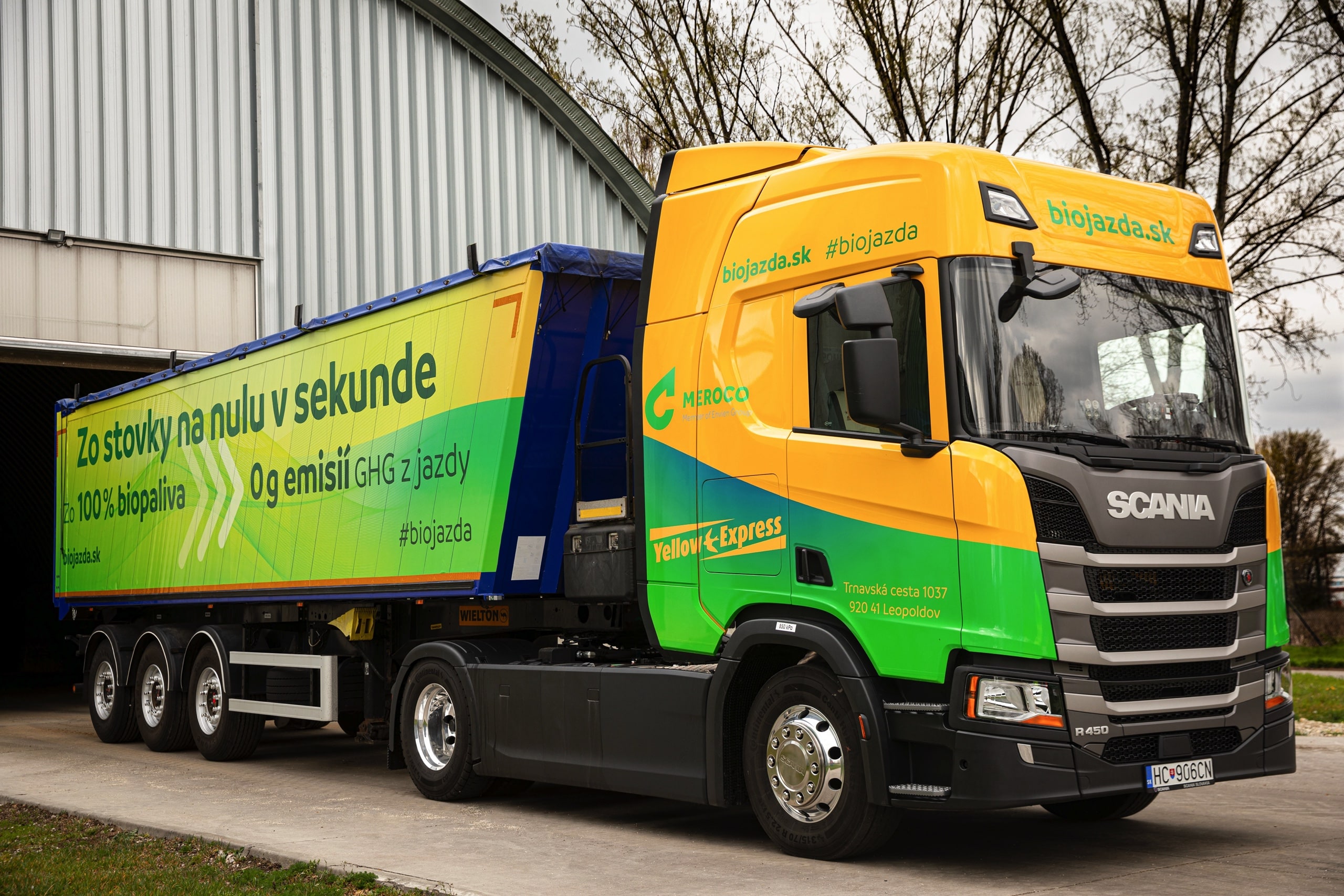
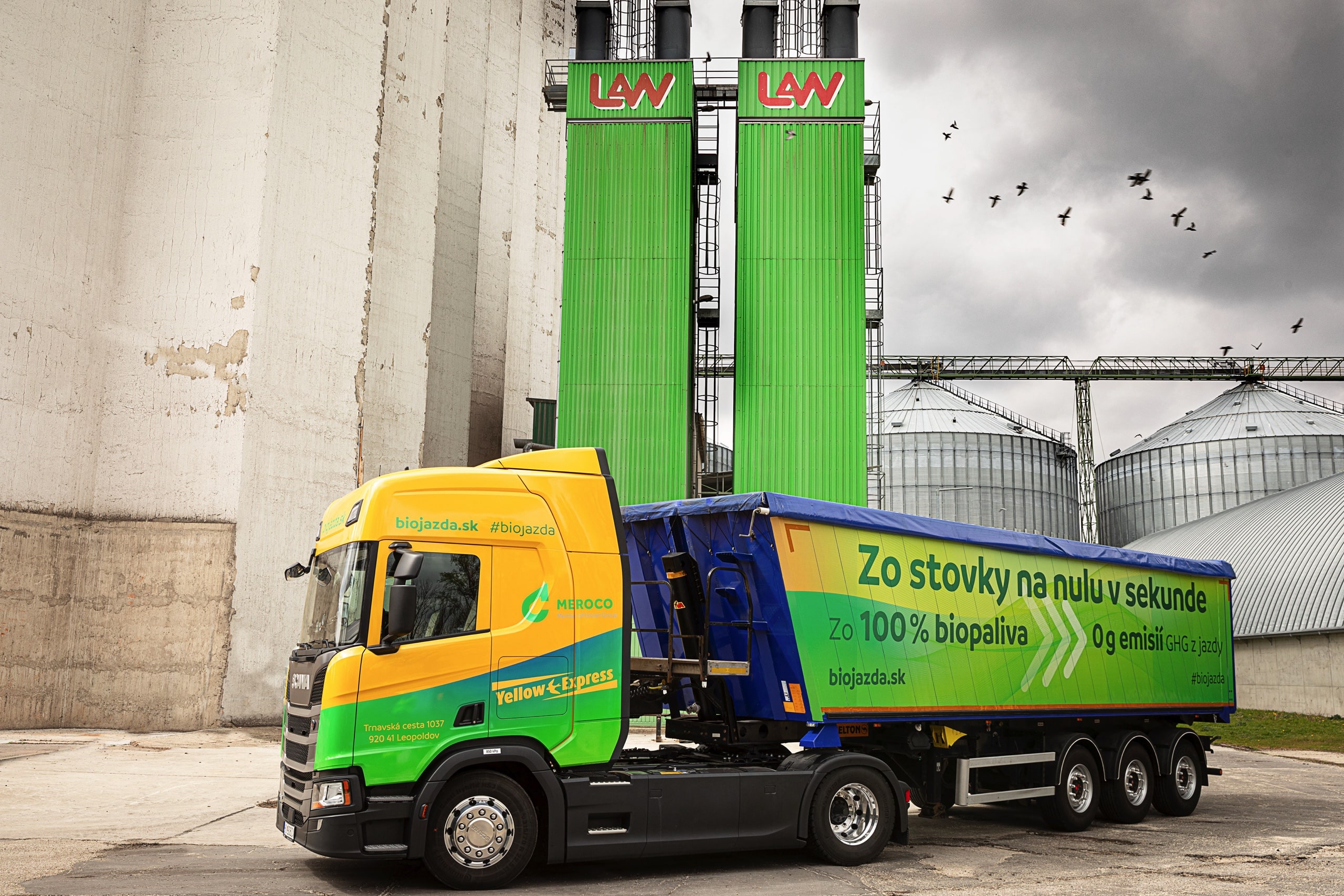
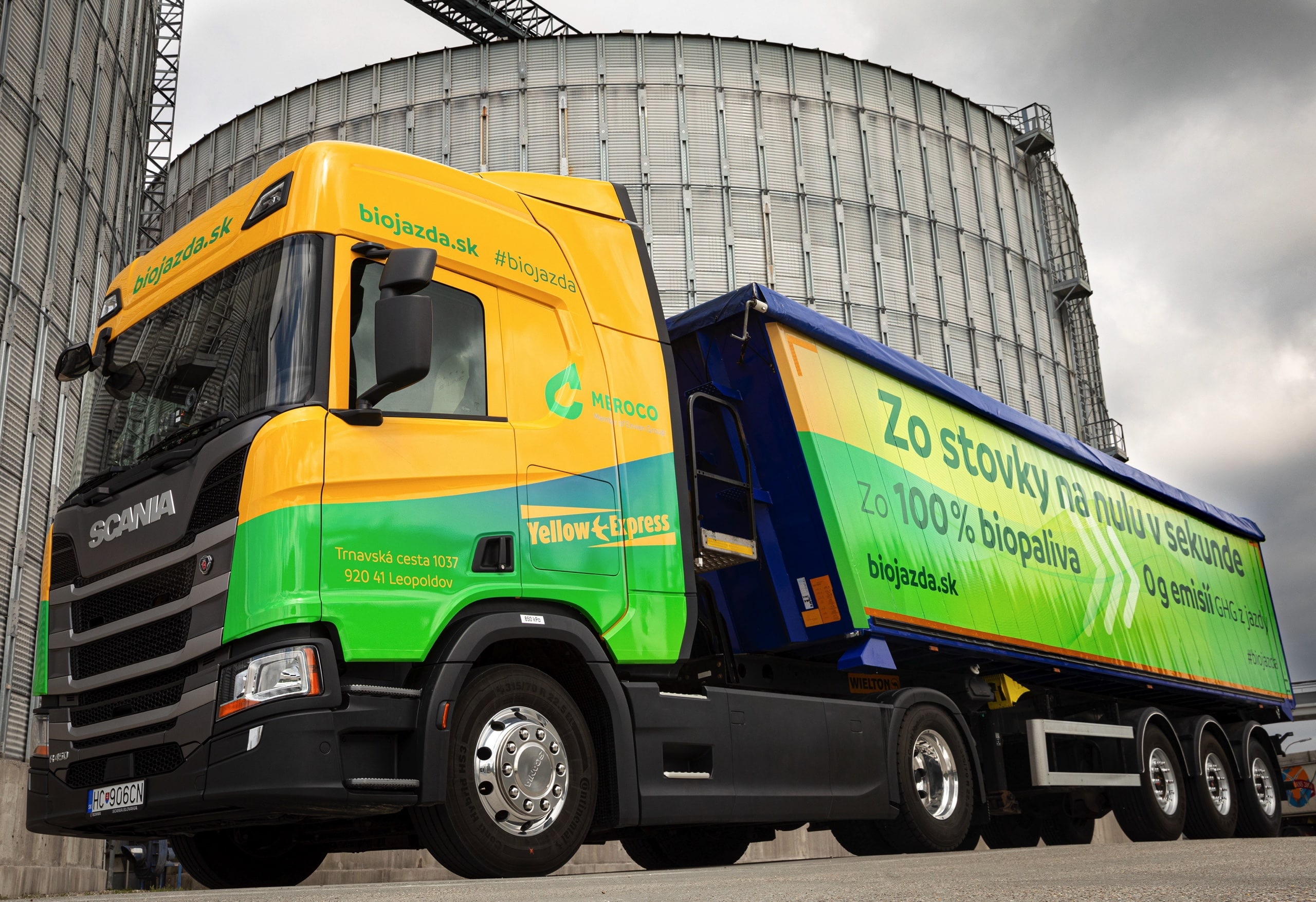
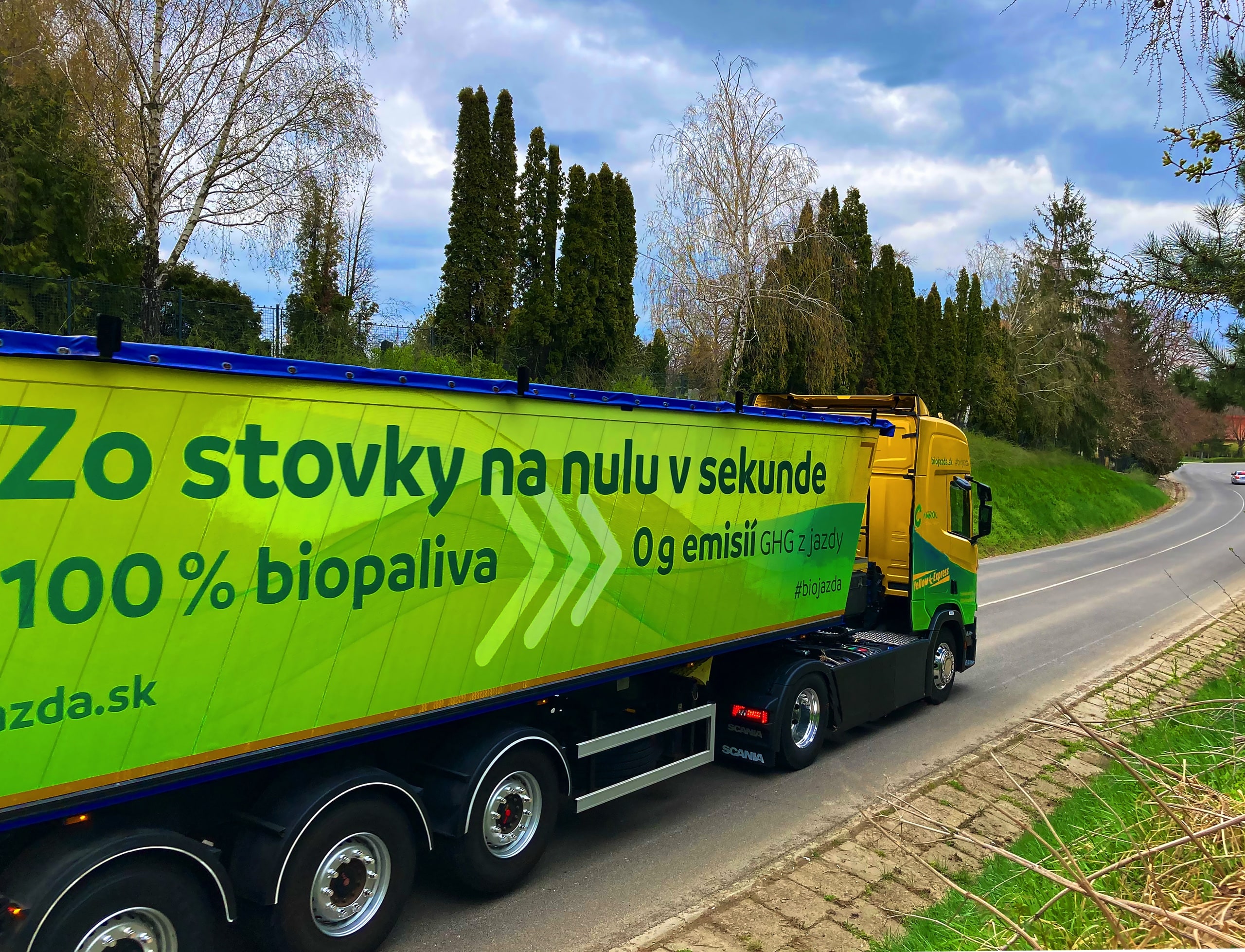
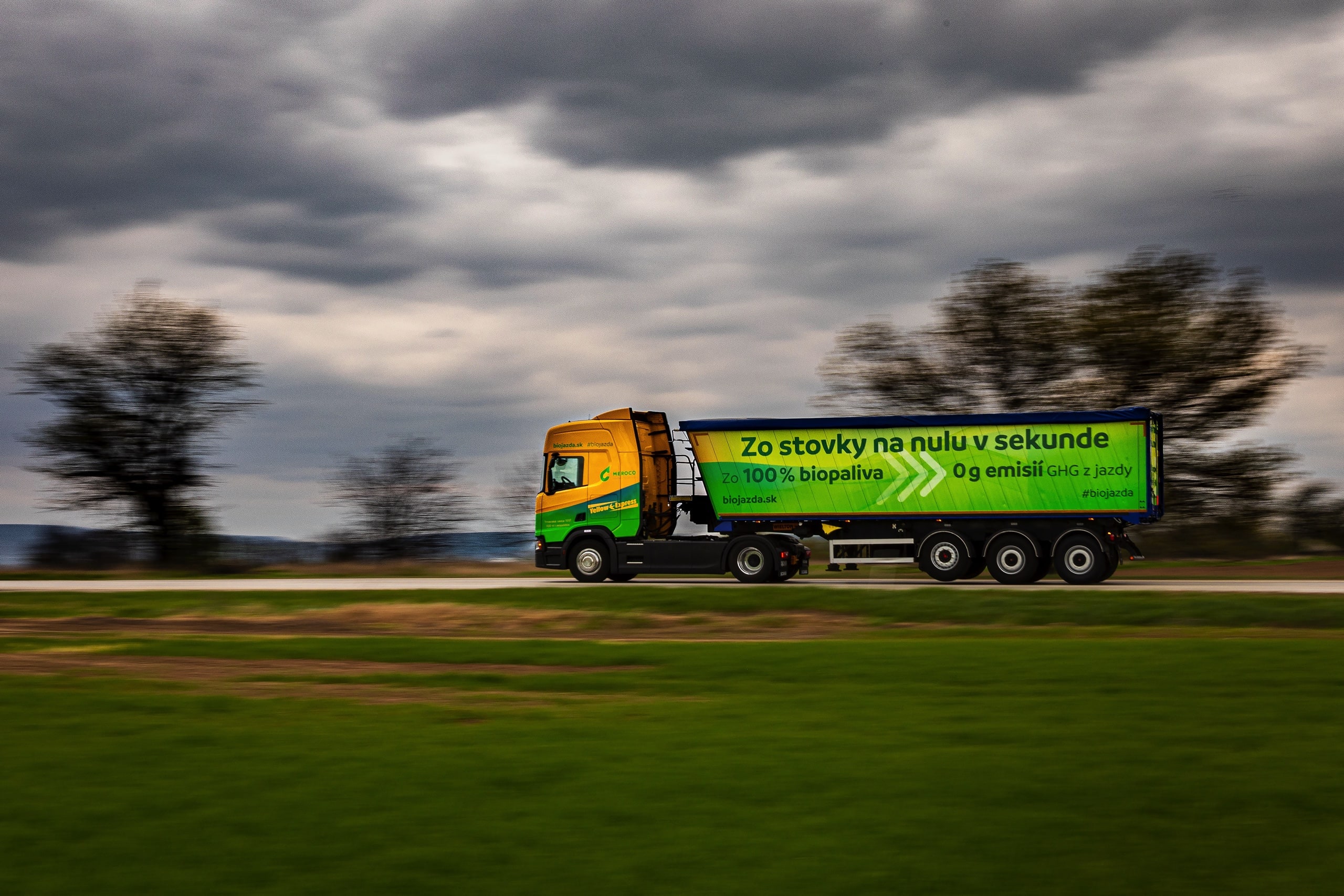
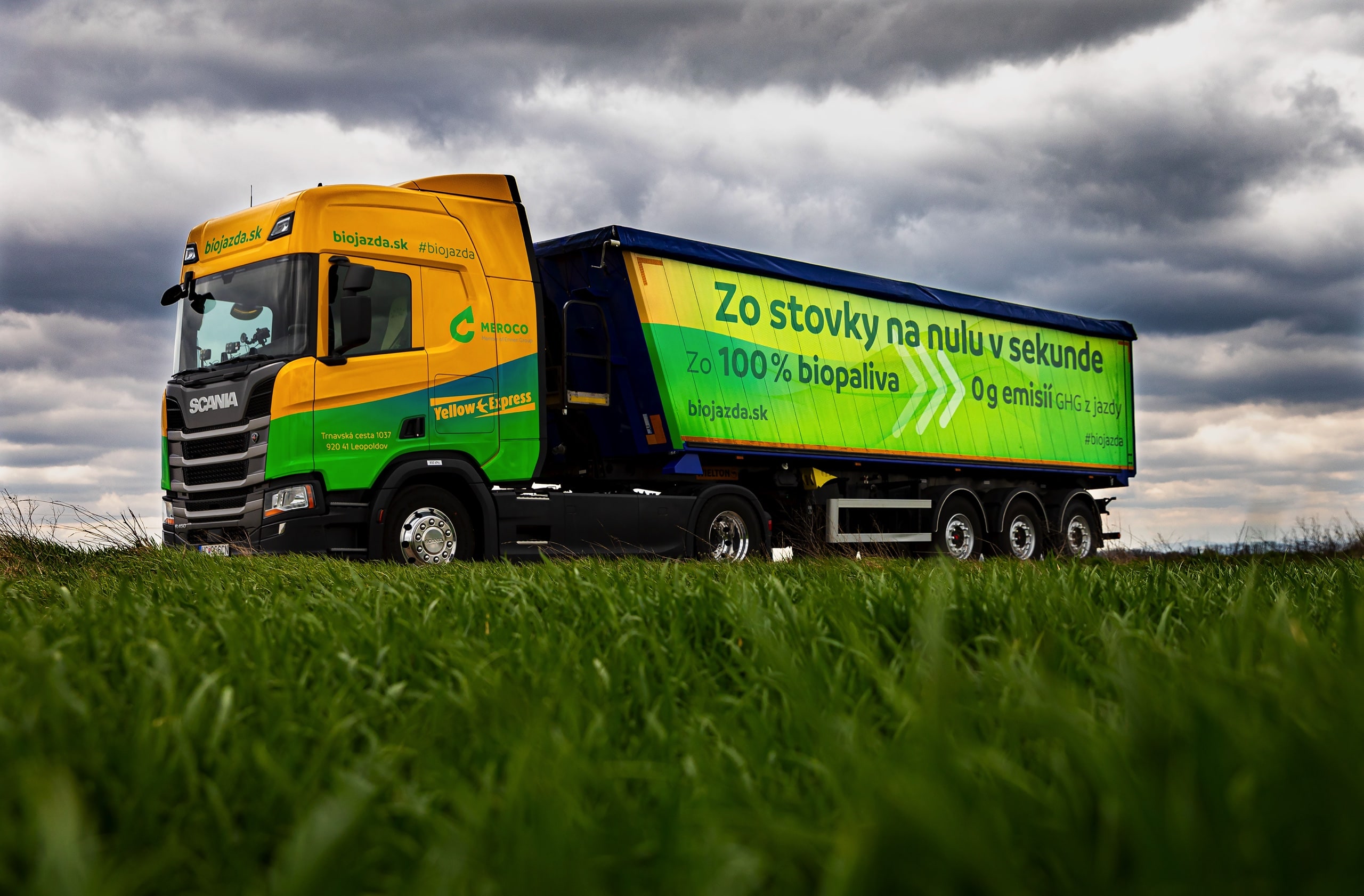
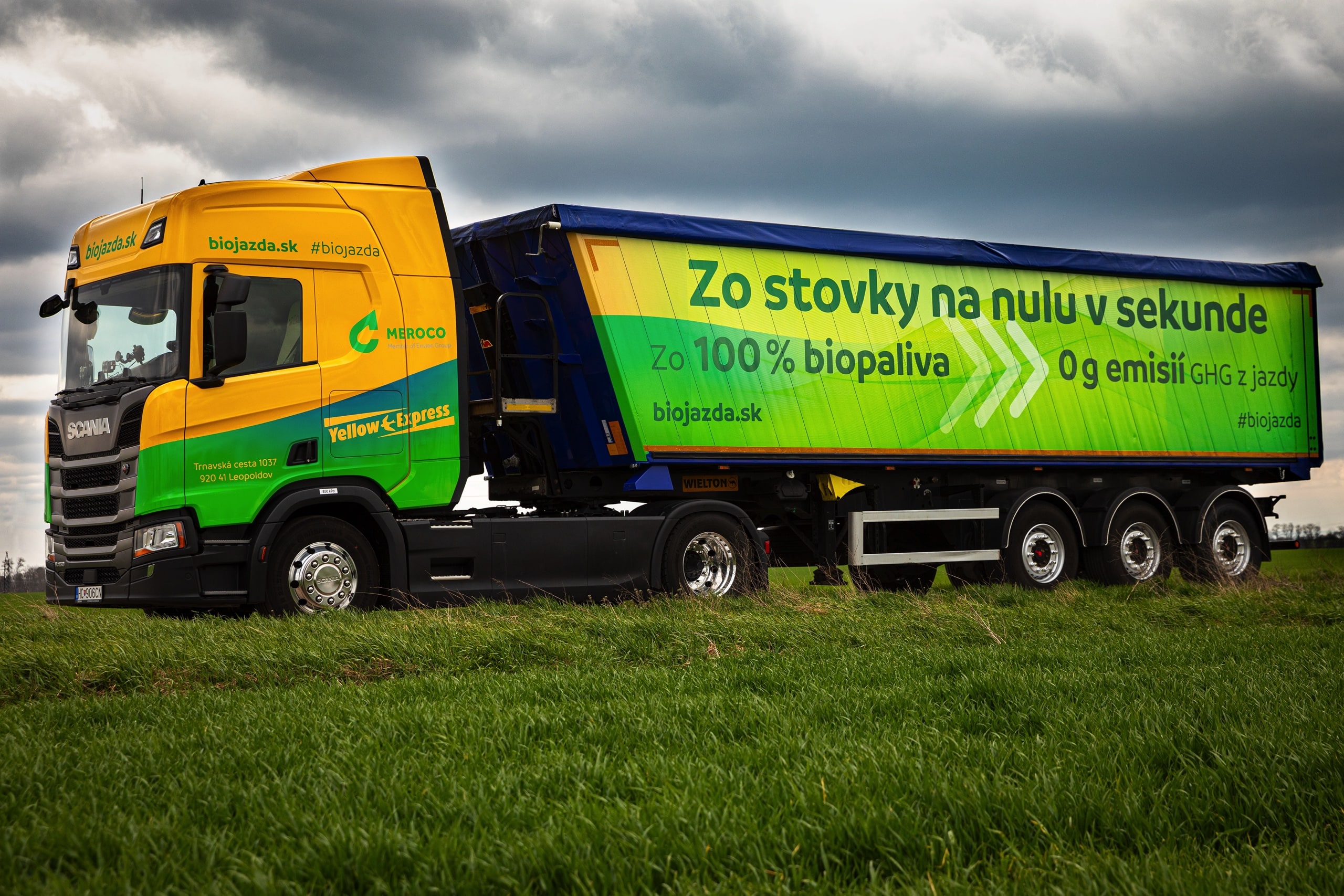
The SK-Bioride pilot project was launched by Slovak transport company Yellow Express in 2021, introducing a new freight vehicle—a Scania truck adapted for low-emission operation utilizing 100% biodiesel (B100). The goal was to confirm the feasibility of a cleaner freight transport alternative that can be implemented immediately, with a proven 70% reduction in greenhouse gas emissions. The B100 fuel is supplied by Meroco, a regional biofuel producer and member of the Envien Group, which manufactures B100 sustainably.
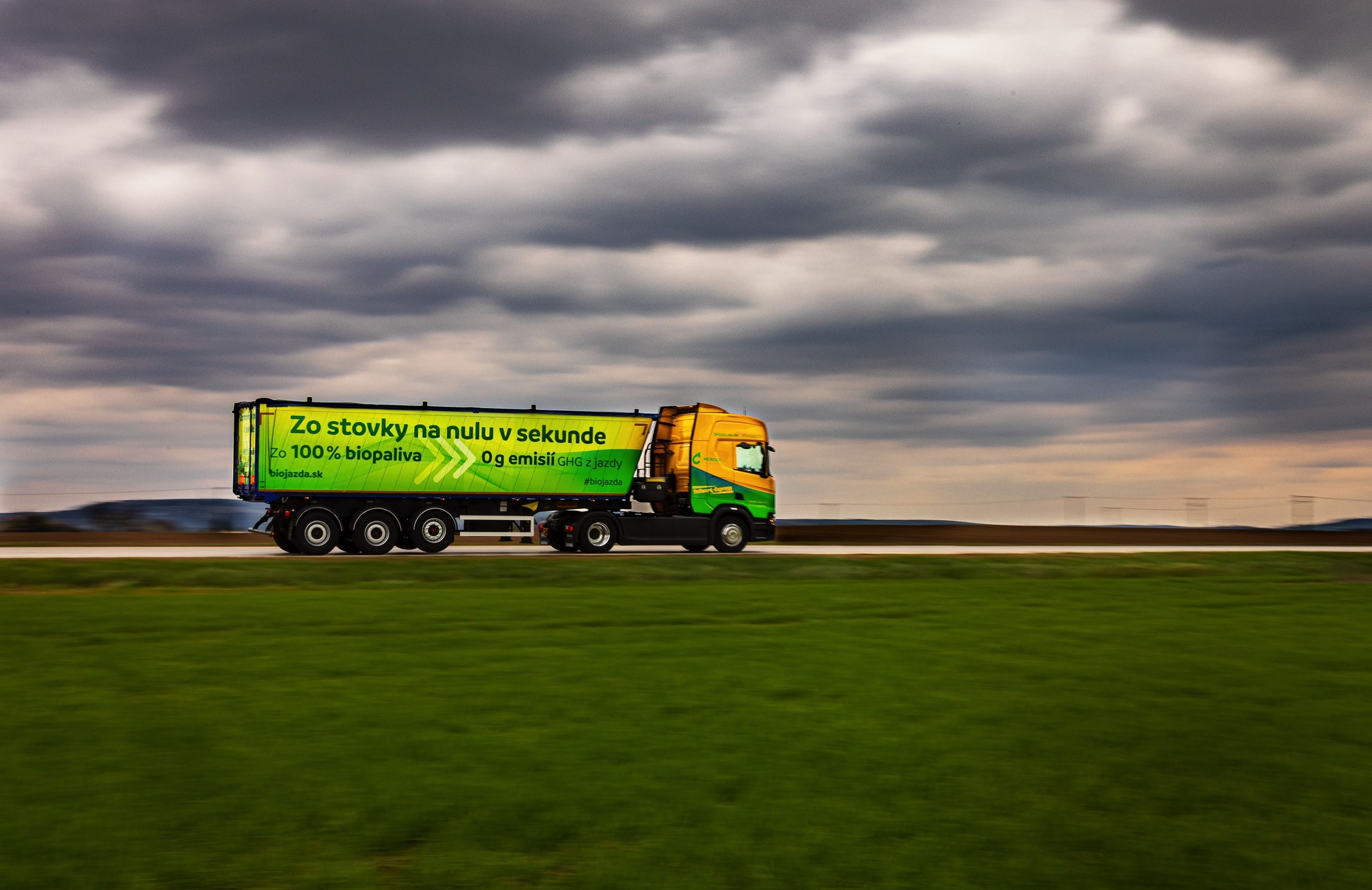
We’ve been closely monitoring the Scania truck running on B100 fuel in regular commercial operation from April 2021. During the first year of testing, the truck travelled nearly 95,000 km, 70% of them loaded and 30% empty. The average fuel consumption was 29.5 l/100 km, or 0.82 l/t*100 km. The reduction in greenhouse gas emissions during testing reached the expected 70%. The vehicle refuels at the Leopoldov, Slovakia, Meroco facility.
Based on our findings, this alternative is effective and suitable for Slovak roads. Thanks to domestic biofuel production, it can be implemented immediately. Yellow Express later expanded its fleet with additional Renault trucks running on 100% biodiesel. All three vehicles have travelled over a million kilometres powered by biodiesel.
Why did we launch the SK-Bioride campaign?
Yellow Express has a strong interest in economically sustainable greening of its fleet and finding a long-term functional solution for its operations. Additionally, Slovakia is currently in a position where, with its current renewable energy capacities, it seems unable to meet its 27% renewable energy target for 2030 without significantly increasing the share of biofuels in transport. Through this campaign, we demonstrate that increasing the share of renewable energy in transport using high-biofuel-content fuels is already possible today and has the potential to become the most cost-effective solution for urgent energy and environmental goals.
How can B100 fuel in a freight vehicle reduce CO₂ emissions compared to diesel?
B100 fuel is 100% renewable, made from vegetable oil or used cooking oil—a repurposed waste material that finds a new use. Fossil diesel emissions are 95.1 g CO₂/MJ, but biofuel from vegetable oil has a carbon footprint of only 33 g CO₂/MJ, and biofuel made from waste materials (used cooking oil) has an even lower footprint of around 9 g CO₂/MJ. The difference is enormous: B100 made from waste oil reduces CO₂ emissions over the vehicle’s entire lifecycle by up to 90%.
Where can you refuel with B100 fuel?
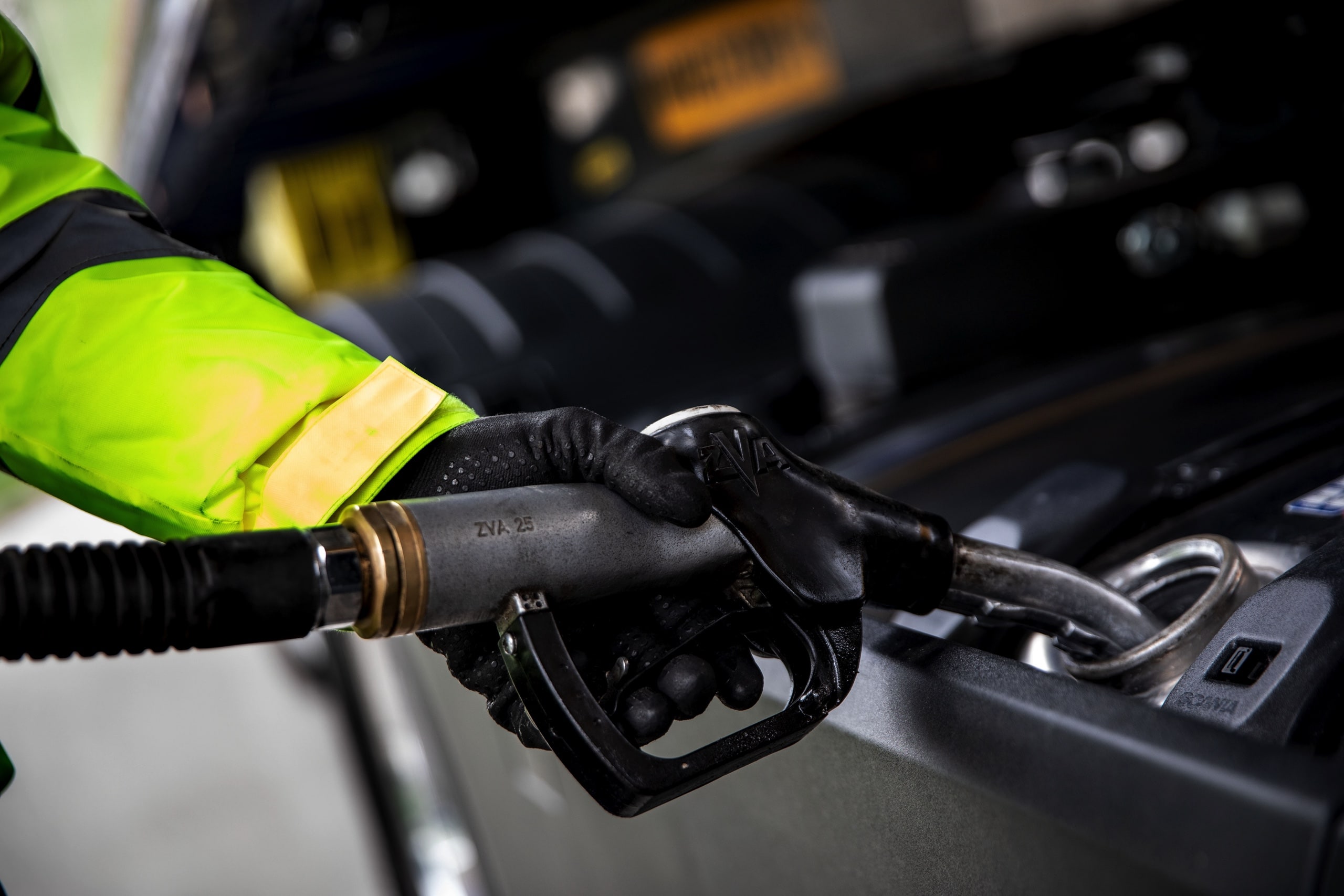
Currently, only blended biofuels— B7 diesel, containing 6.9% biodiesel—are available at regular fuel stations. Our goal is to demonstrate the practicality of this solution through a successful pilot project and, with government support, create economically viable conditions for expanding this accessible and eco-friendly alternative to attract other hauliers. Adding another fuel nozzle for B100 biodiesel at existing fuel stations is a necessary condition for its widespread market adoption. Installing your own on-site fuel storage tank with dispensing equipment in your company’s yard is already common practice for many corporate fleets.
Where can you refuel with B100 fuel?
Currently, only blended biofuels— B7 diesel, containing 6.9% biodiesel—are available at regular fuel stations. Our goal is to demonstrate the practicality of this solution through a successful pilot project and, with government support, create economically viable conditions for expanding this accessible and eco-friendly alternative to attract other hauliers. Adding another fuel nozzle for B100 biodiesel at existing fuel stations is a necessary condition for its widespread market adoption. Installing your own on-site fuel storage tank with dispensing equipment in your company’s yard is already common practice for many corporate fleets.
What engine does the Scania truck running on 100% biodiesel use?
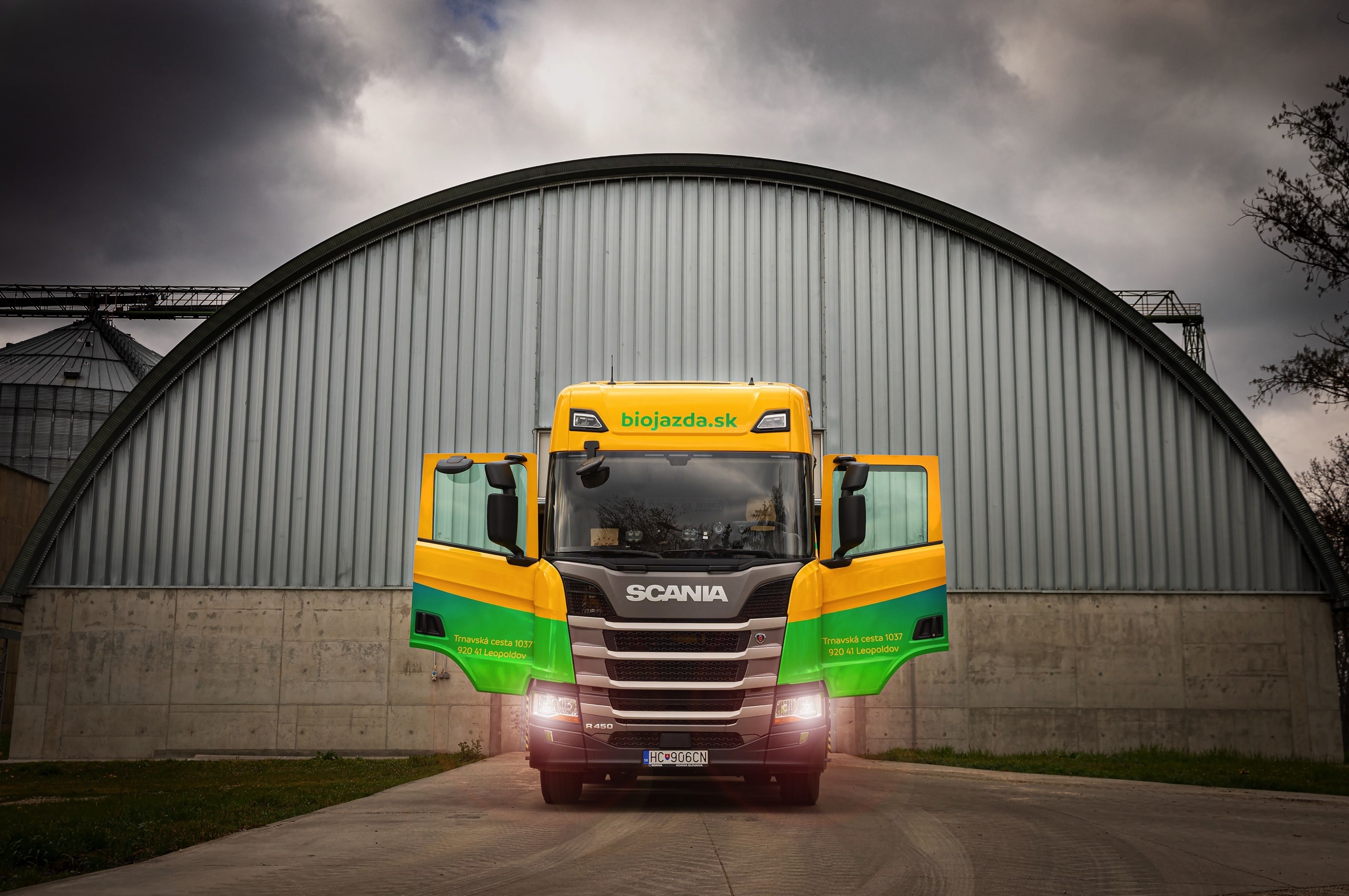
The vehicle’s engine is essentially a diesel engine fully adapted to running on B100 fuel (100% biodiesel), which does not need to be mixed with any fossil fuel. Yellow Express purchased the Scania truck directly from the Swedish manufacturer who, among other types, produces biofuel-compatible engines. However, there are other manufacturers of trucks, passenger cars, buses, and even tractor engines worldwide who produce biofuel-compatible versions of their vehicles, whether powered by biodiesel, or bioethanol. Such trucks are offered by Renault, Mercedes, MAN, and Volvo, while other manufacturers such as Rolls-Royce, Cummins, and Scania also provide biofuel engines.
Experience from the truck’s home country
“At Scania, we have been working for several years to shift toward sustainable transport. One way is to supply trucks powered by high-quality 100% biofuel B100. Over the past five years, we have delivered more than five thousand such vehicles worldwide, half of them to Europe. Renewable fuels are needed to enable the transport sector to transition to fossil-free operations, and 100% biodiesel is a way to quickly and effectively reduce carbon emissions. Customer feedback is very positive: Not only do the trucks fulfil their transport mission, but by using locally produced biofuels with high CO₂ savings, operators can more easily meet their emission reduction targets.”
In which parts of the world do trucks run on pure biofuel?
Sweden is an ambitious country in terms of climate measures. It is also known for continuously introducing alternative resources into road transport and urban public transport. Stockholm became a city with fossil-free public transport in 2018, thanks in part to the use of B100 fuel. Following its example, B100 is now also used in Lisbon, Graz, the Polish town of Grodzisk Mazowiecki, and in the USA as well. In France, Oleo100 fuel (i.e., B100) is available for operators of closed fleets, while in Sweden, B100 is also available through public distribution channels.
Next steps
For the successful commercial deployment of B100, it would be necessary to adjust the excise duty on biofuels so that the tax rate takes into account its low greenhouse gas emissions. In a Slovak paradox, compared to other similar fuels, when recalculated per unit of energy and greenhouse gas emissions, the current excise duty is the highest for biofuels—which produce lower greenhouse gas emissions than pure fossil fuels. This is in direct contradiction to the state’s commitments and intentions to reduce greenhouse gas emissions in transport. The price of pure biofuel B100 should motivate its use, and should be at least equal to or lower than the price of B7 diesel.
Food vs. (bio)fuel
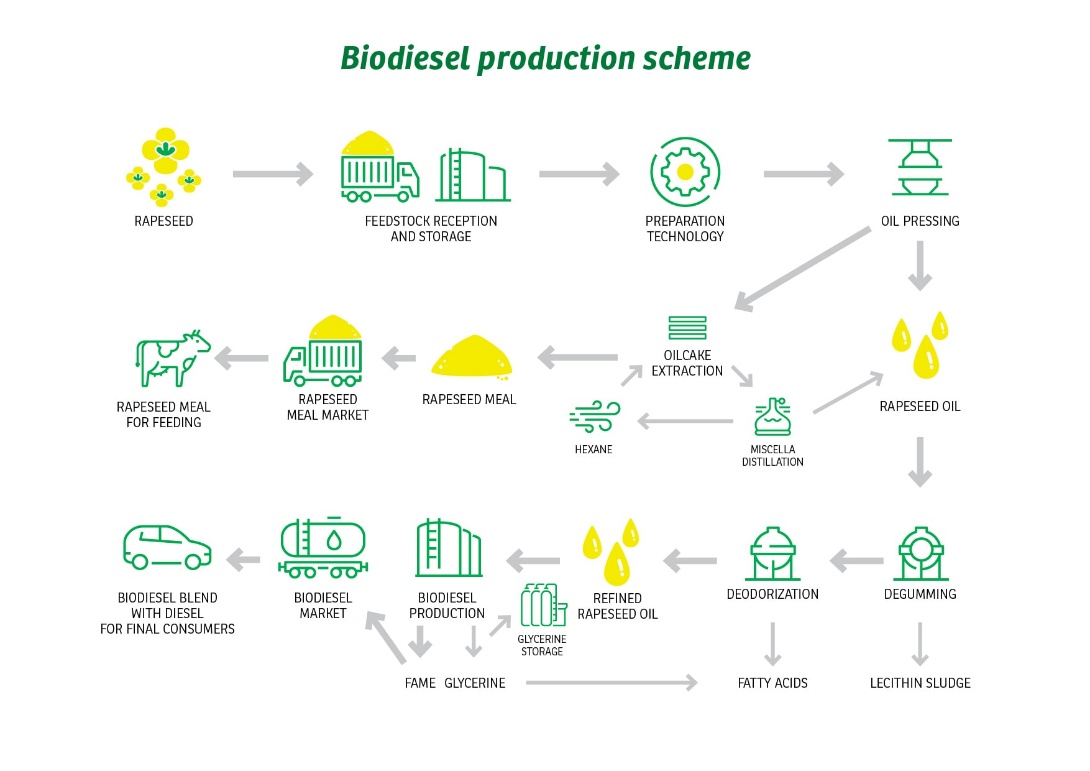
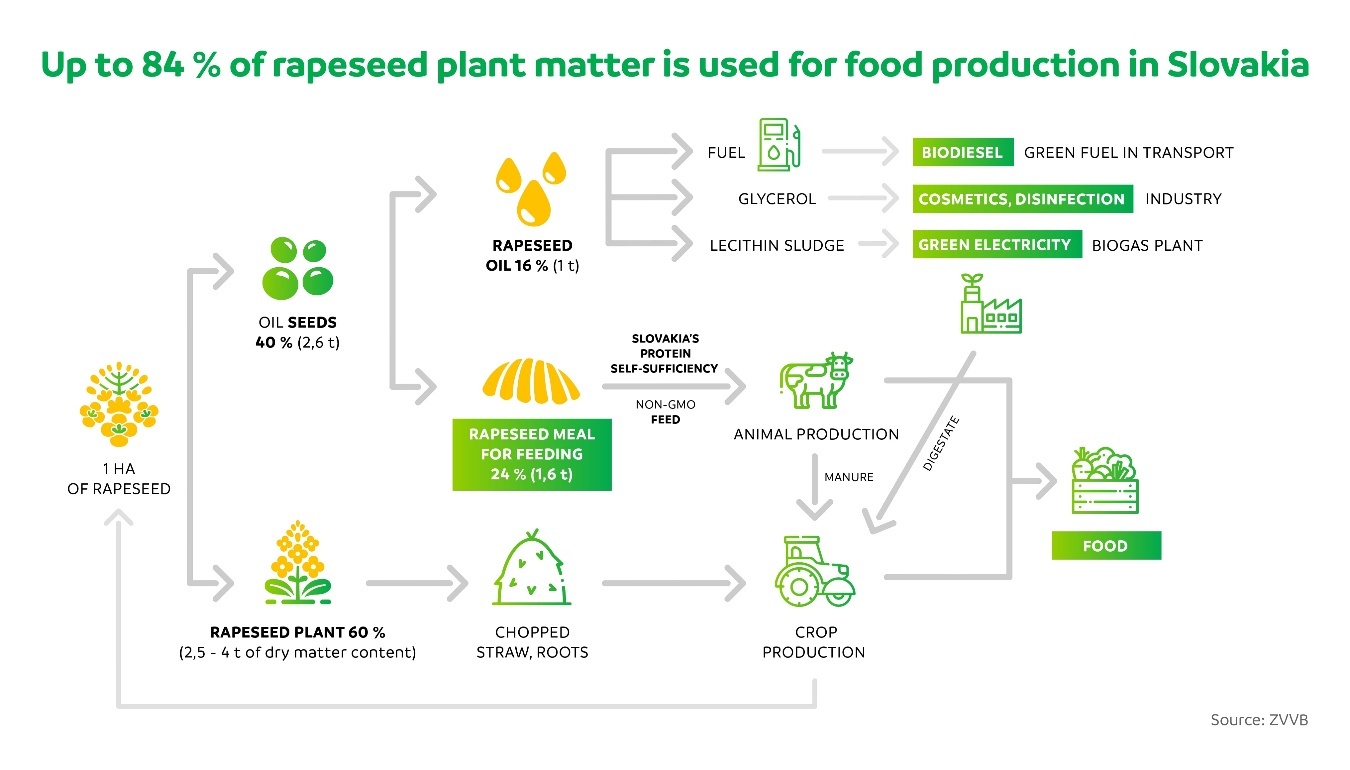
Only a smaller portion of rapeseed is used for biodiesel production. After the oil is pressed, more than 50% of the processed material remains as rapeseed meal (with a high protein content of up to 35%). This locally produced feed material, thanks to its balanced nutrient composition, is suitable for all farm animals and can effectively replace imported soybean meal, which often contains GMOs. Biodiesel production therefore contributes significantly to European Union’s protein security. Currently, important research is also underway into the potential use of these proteins in human nutrition.
Did you not find the answer to your question?
Are you interested in learning more? Are you considering implementation of biodiesel in your company fleet?
Write to us at info@biojazda.sk or use the contact form below.